
Understanding the Limitations of Traditional Kitchen Systems
In most kitchens, having a system to manage waste efficiently is crucial. The common tool many rely on is the garbage disposal unit. However, these units have their limitations, especially when it comes to large items. Understanding why garbage disposals are not always the ideal solution for all types of waste can help you make better decisions for your home or business. This discussion will explore the reasons behind these limitations and offer alternative solutions to ensure effective waste management.
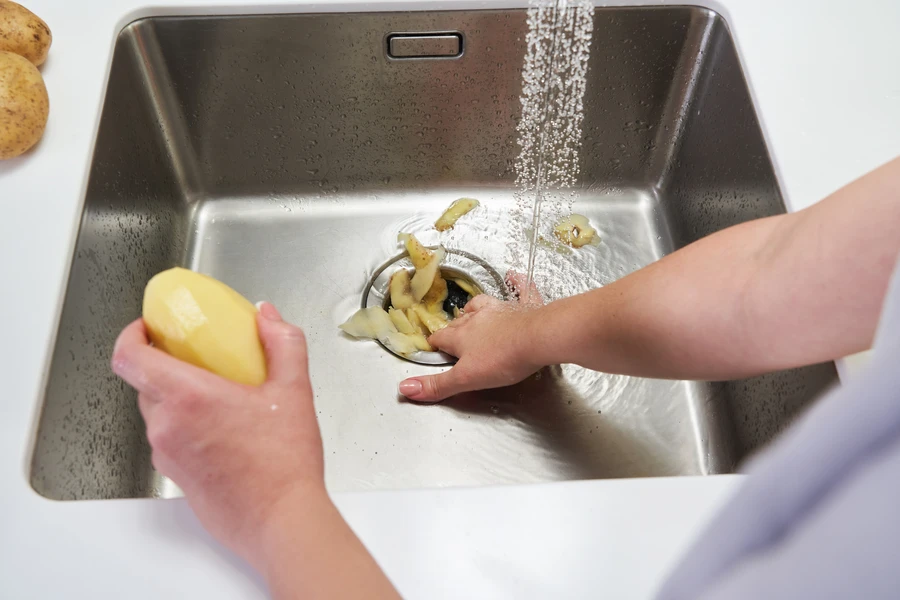
The Size Issue With Current Waste Systems
Garbage disposal systems are designed to handle small food scraps rather than large chunks or whole items. When large items are introduced into these systems, they can easily become jammed or cause blockages. This is because the grinding mechanism is not built to break down larger materials. As a result, you’ll often find that the system’s efficiency decreases significantly, leading to more frequent repairs and maintenance needs.
The Impact of Improper Waste Management
Many people assume that if something fits into the disposal unit, it can be processed without issues. Unfortunately, this misunderstanding can lead to significant problems. When inappropriate items are ground down, they can dull the blades and strain the motor. Over time, this wear and tear reduce the lifespan of the appliance, resulting in costly replacements or repairs. Using garbage disposal correctly helps avoid unnecessary expenses and potential plumbing issues.
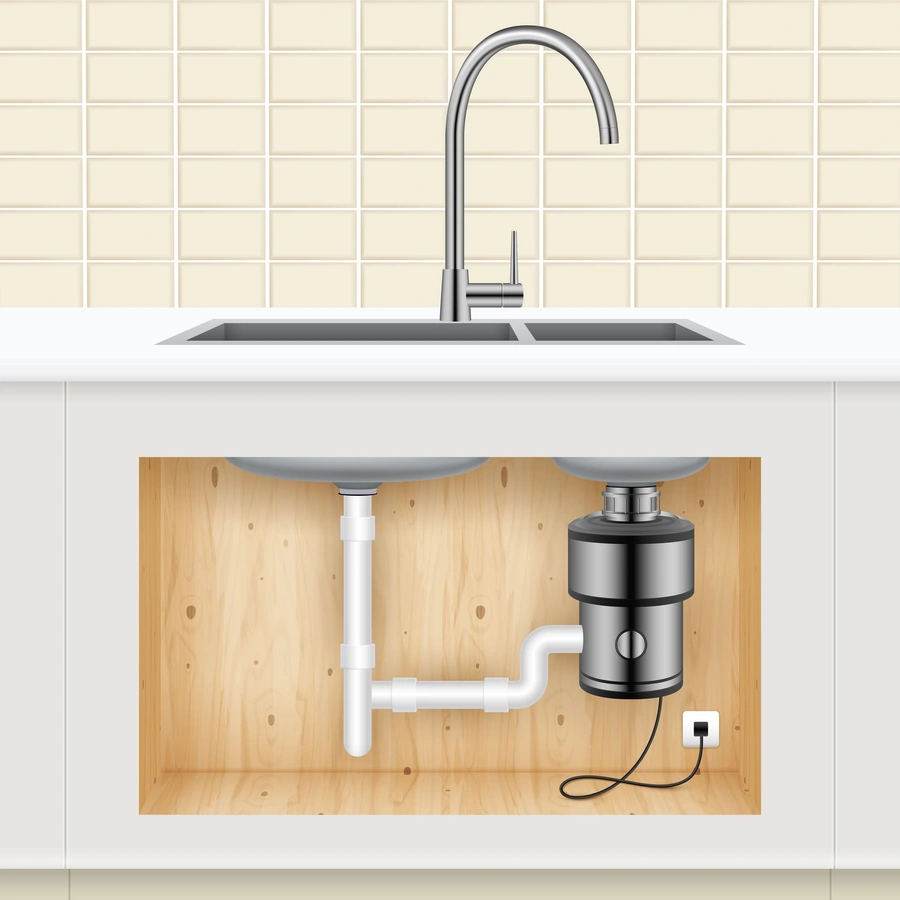
Alternative Solutions for Larger Waste Items
Instead of relying solely on your existing kitchen waste system, consider adding complementary tools like compost bins or recycling containers. These alternatives can manage large organic waste or recyclable materials more effectively. For instance, composting not only reduces landfill waste but also enriches soil quality in gardens and landscapes. Recycling ensures that materials like plastic and glass are repurposed, reducing overall environmental impact.
Steps to Improve Kitchen Waste Management
- Separate waste by type: Start by having distinct bins for organic waste, recyclables, and trash.
- Compost larger organic materials: Use a backyard compost bin for items unsuitable for the disposal unit.
- Rinse and recycle: Clean recyclable items before placing them in designated bins to prevent contamination.
- Regular maintenance: Schedule regular checks and cleanings for your garbage disposal system to keep it running smoothly.
Expert Tips for Maintaining Your System
To extend the life of your kitchen waste system, follow these expert recommendations:
- Avoid putting fibrous vegetables like celery into the unit as they can wrap around the blades.
- Run cold water through the system while it’s working to help solidify any fats for easier processing.
- Use a cleaning solution made of ice cubes and vinegar monthly to sharpen blades and remove odors.
Cost Considerations in Waste Management
Investing in additional waste management solutions may incur initial costs; however, these investments often result in savings over time. By preventing damage to your existing systems, you reduce repair bills and extend appliance lifespan. Moreover, eco-friendly practices like composting can save money by reducing trash collection frequency and offering nutrient-rich compost for gardening purposes.
Your Path to Better Waste Solutions
The choice to enhance your kitchen’s waste management involves more than just relying on one tool. Andrew Junk Removal provides comprehensive solutions tailored to suit diverse waste handling needs. Located in Jacksonville, FL, our team offers expert advice on how best to integrate various systems efficiently. Contact us at (904) 735-7298 to learn more about sustainable options for managing household waste today.